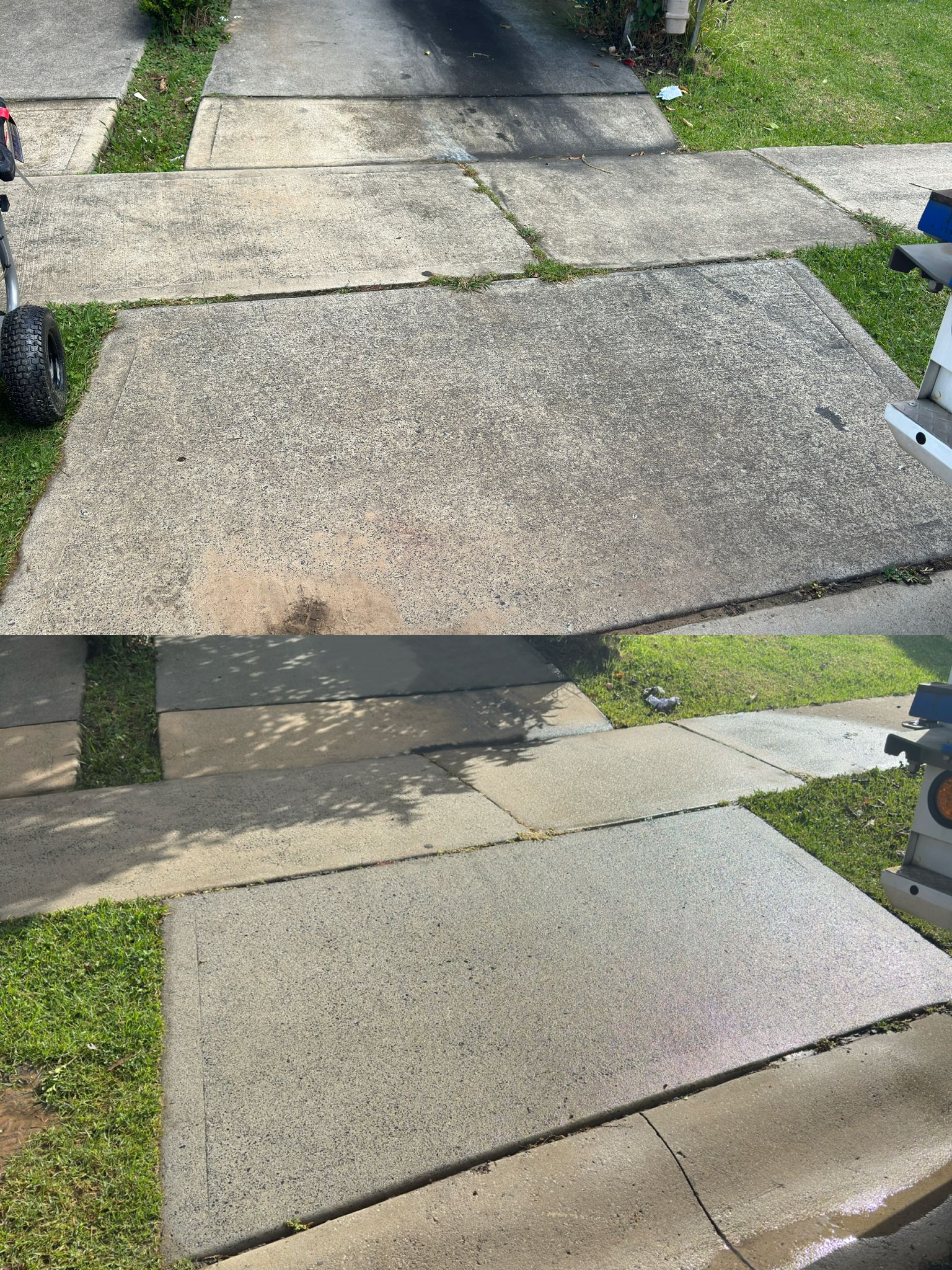
Persistent wet weather across Greater Western Sydney creates the perfect climate for outdoor biological growth. When rain saturates porous external surfaces like concrete, brickwark, and pavers, mould and algae spores can rapidly take root. If left unaddressed, outdoor accumulations not only detract from your property's value but can also be tracked indoors or create slip hazards.
Why Wet Weather Accelerates Exterior Mould Growth
Mould thrives in environments with high moisture levels, minimal air movement, and consistent shade. Sydney's extended rainy periods saturate materials like limestone, sandstone, and porous concrete. Because these materials retain water long after the rain stops, mould spores have ample time to feed on surface grime, organic leaf drop, and dirt.
Within days of a significant rain event, you may notice pathways, timber decks, and retaining walls developing dark green or black discoloration. This is the visible sign of active colony expansion.
The Hidden Risks of Outdoor Accumulations
While often viewed purely as a cosmetic issue, allowing active mould growth to spread across your external walkways introduces practical liabilities:
- Slip Hazards: Algae and mould layers become incredibly slick when damp, turning stairs, patios, and pool surrounds into liability areas for family and visitors.
- Tracking Inside: Spores attached to the soles of shoes, pet paws, and outdoor equipment are easily carried directly inside your living spaces, accelerating indoor humidity challenges.
- Surface Degradation: Organic root structures can slowly penetrate softer jointing sand and masonry pores, leading to premature cracking or erosion over time.
Has the recent rain left your property slick or stained?
Prevent spores from spreading. Contact WestClean today for an instant quote on deep pressure cleaning treatments designed to sanitise and clear heavy organic growth safely.
Request An Exterior Clean QuoteProfessional Strategies for Long-Term Prevention
Standard garden hoses do not possess the pressure required to dislodge deeply rooted mould spores within porous concrete. To keep your exterior clean and resilient against the next downpour, consider these industry practices:
1. High-Pressure Surface Washing
Utilising specialized flat-surface cleaners ensures uniform water pressure penetrates deep into concrete pores, completely flushing out the root systems rather than just shearing off the surface layers.
2. Targeted Biodegradable Treatments
Applying professional-grade, eco-friendly washing agents breaks down embedded organic matrices. This sanitizing process helps neutralize spores, drastically slowing down the rate at which biological growth can return during the next rain cycle.
3. Improving Drainage and Sun Exposure
Keep your perimeter drains cleared of leaf debris so rainwater moves away from paths rapidly. Additionally, trimming back low-hanging foliage can let natural UV light hit your driveway, which serves as a natural deterrent to damp conditions.